

UX Case Study
A Crypto Management UX Case Study
- Roles
- Product Design
- UX and Prototype Design
- Tools
- Sketch / Affinity Designer
- Protopie / Framer
- Timeframe
- May 2019, Taiwan
- Product Designer @ Formosa Financial
Bitcoin was born in 2009 spring, after 10 years of development, we are still far from the ideal world that Satoshi wished. Even the fastest crypto Ripple cannot surpass VISA’s TPS(24,000 vs 1,500). And blockchain is still not user-friendly. That’s why I go back to the ground and start this UX study.
Research Purpose
1. Understand the blockchain economic cycle deeply
2. Know the potential clients
3. Shorten the learning curve of crypto-app
I was the only product designer in this company. I chaired every design from graphic design to product design. This case study was my side project and adopted by the board of directors.
Study Flow
Background Study → Assumption → Interview → Prototype → Analyze → Redesign Application
Background Study
The report was made at the end of 2018, starting from other studies is an easy way to build up the knowledge system.
1. More than 139 million users but only 38% are active.
2. More than 57% of services providers provide integrated services.
3. More than 84% of services providers provide multi-coin support.
4. Mining costs around 0.01% of world energy.
5. 69% of services providers have existing relationships with established
traditional payment networks.
1.Journey Map
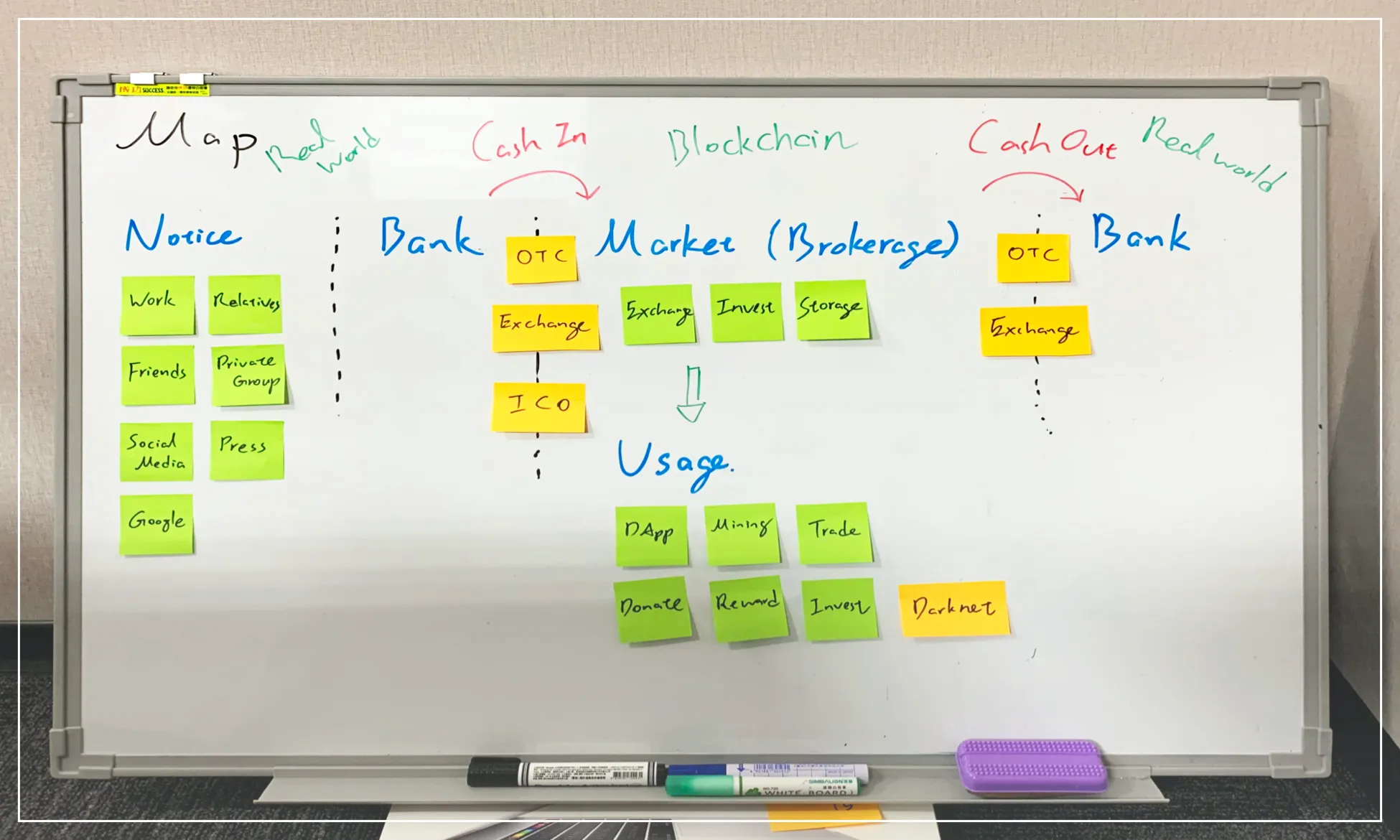
This map is trying to describe the users’ behavior of cycling their fiat-crypto-fiat in the blockchain. Follow this journey map and analyze their behavior.
2.Behavior Cycle
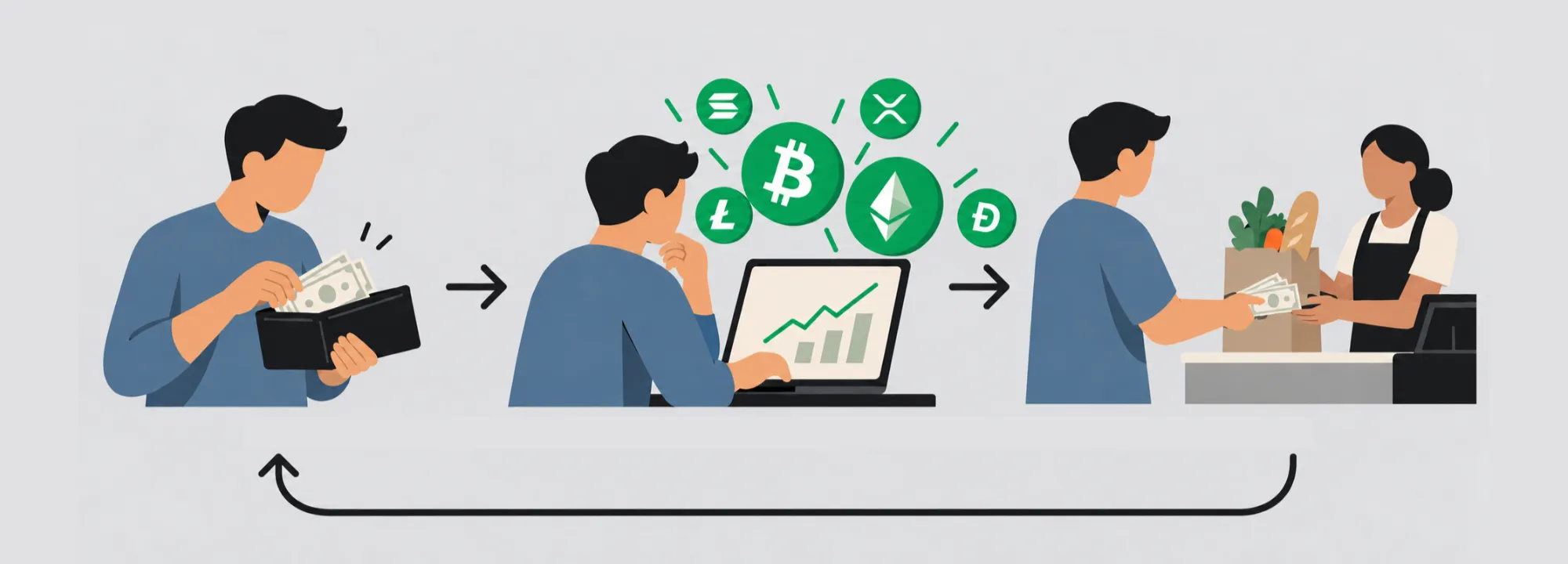
People cannot live without fiat. However when they invest blockchain but rarely use crypto. As a result, this cycle is suitable for describing people’s behavior.
Assumption
Target Audience
Who puts over $33,000 last year in cryptocurrencies.
Blockchain is still a high risk and complicated domain. Therefore I think the users who put over $33,000 (Taiwan’s PCI is $25,000) per year are our potential clients.
User Demand
Manage a scalable wallet account
Find an easier way to manage assets
Exchange assets between the real world and blockchain
User Interview
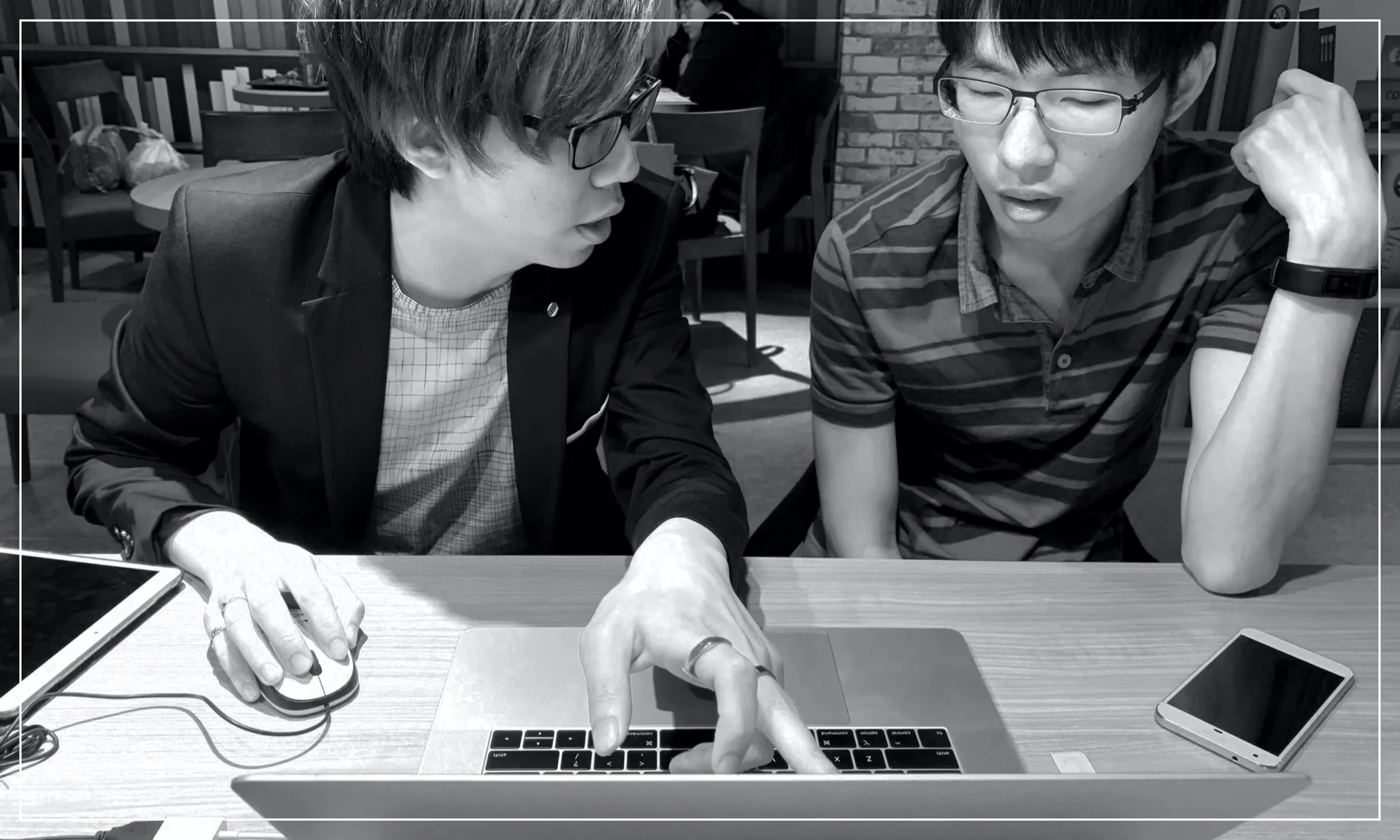
Following the purpose, understand the blockchain economic cycle deeply, the interview is qualitative research that explores wildly than quantitative research. Therefore the questions were based on the assumption with open-ended questions
TA’s Main Behavior
• Find the private key management system
• Wait for the notification about blockchain state that they changed
• Check the address more than twice
Design the Question
• How the users manage their assets
• How deep do they know the blockchain
• Why do they use blockchain
• The behavior of using blockchain
• Review the prototype & blockchain
Prototype: Simulate the Behavior Cycle
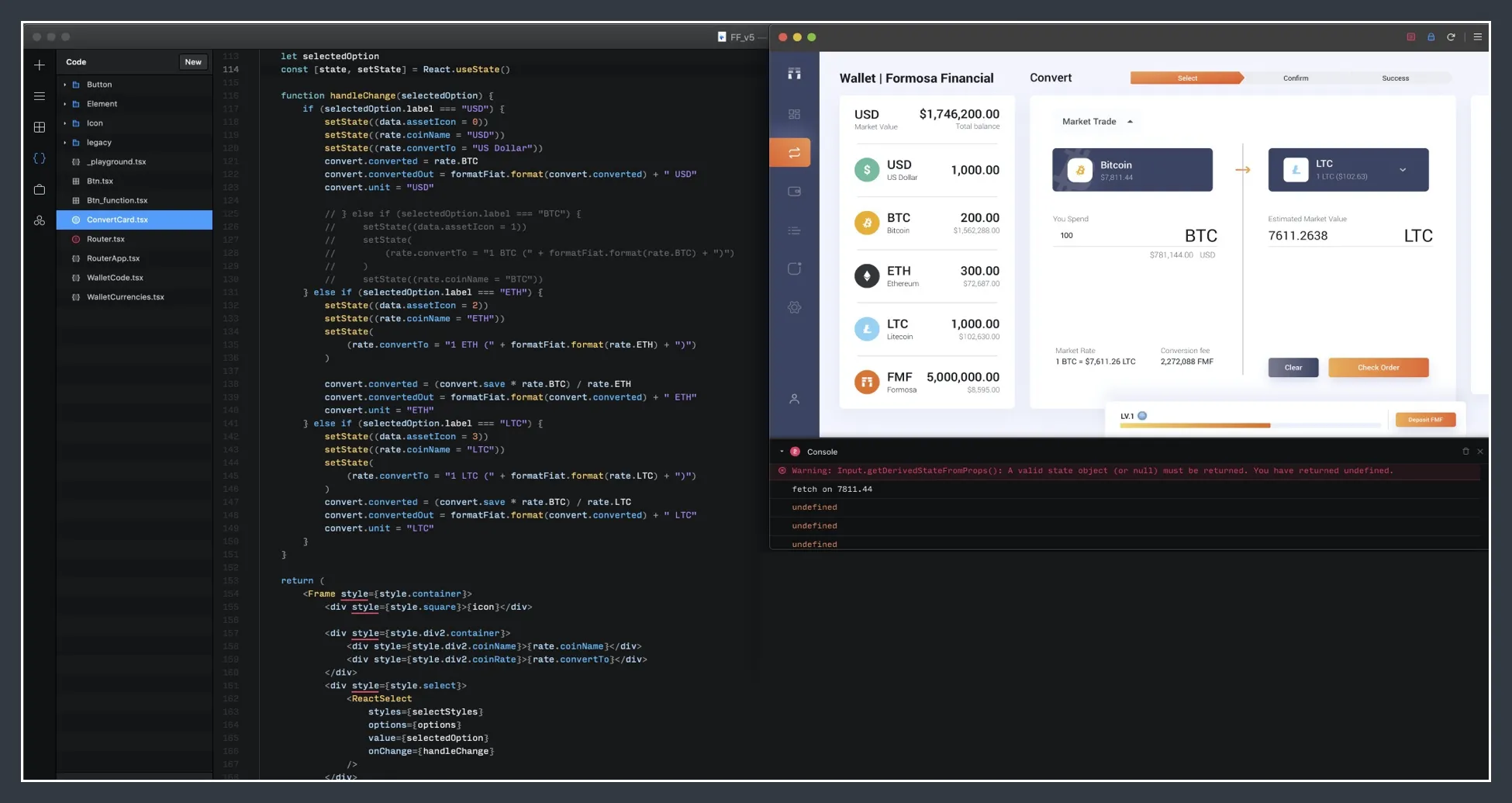
I used Framer X to build the prototype, it allows me to fetch the real data and simulate the convert function like a real exchange app.
UX Tasks
• Deposit 100 ETH to the App from an external wallet
• Convert 20 ETH to BTC in the App
• Withdraw 5 BTC back to the original wallet
Screen Record
Similar to those of human’s conversations, there are some non-verbal information such as body language…etc. Screen record helps me observe the hesitation, hidden intention from the user’s cursor.
Analyze
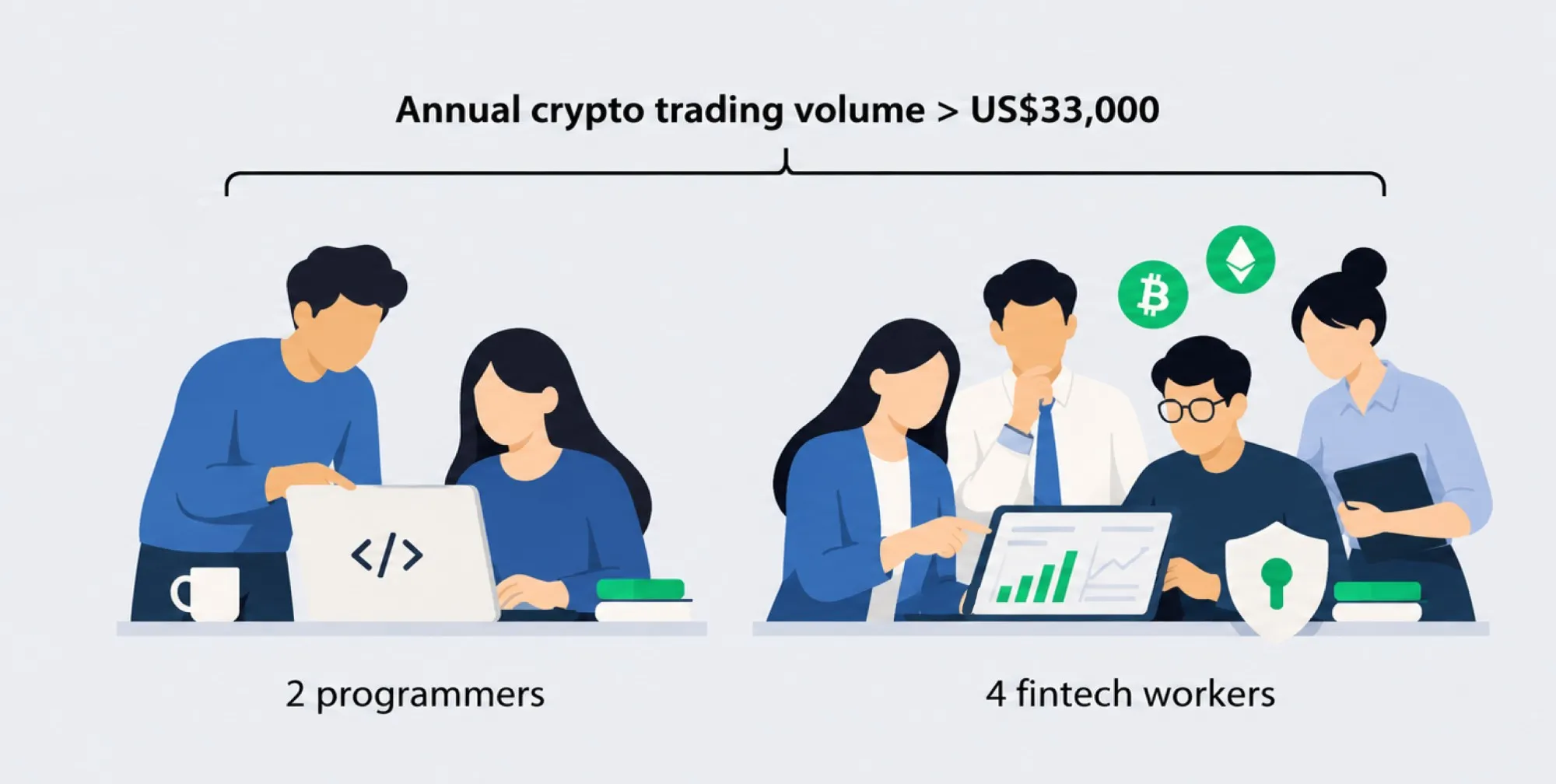
Who trades over $33,000 last year in cryptocurrencies.
• It’s a trusted business, so people still want to control their private keys or spend more resource on safety.
• A lot of people get involved in the blockchain because of their job, they are willing to try the new tech, anticipating the risk would be higher than traditional domain.
• People investing in blockchain are looking forward to the future but they all understand it’s far from now.
• People don’t know the total technical details of crypto, so they are supposing some functions or features would possess the same definition in the reality, such as the one in the stock market.
Design Application
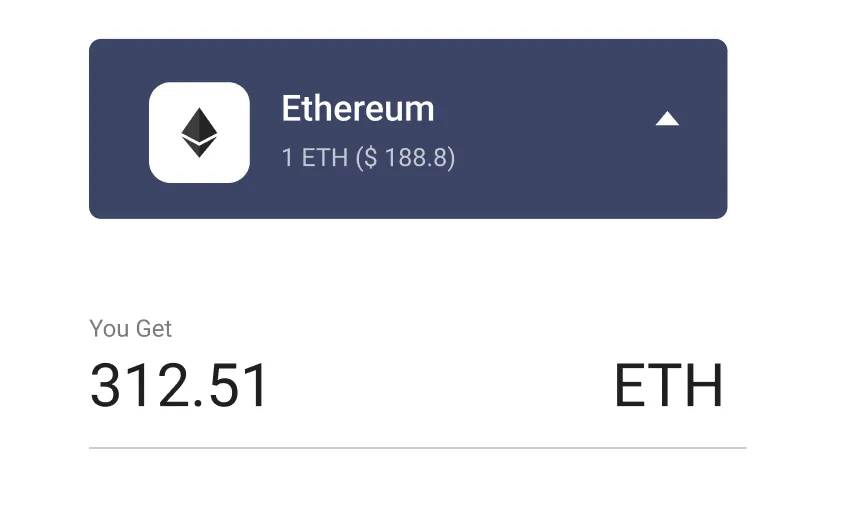
1.Describe the Function Precisely
Original
Redesigned
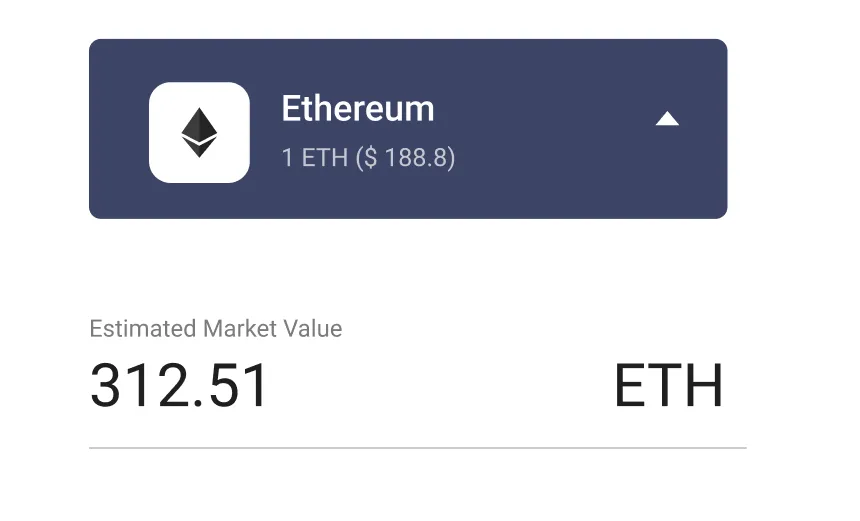
Blockchain follows different logic which is unlike traditional finance. Some financial terms give misinformation to blockchain users. Hence, the product should invent new terms and explain the logic to users.
2.Name the Digital Data by Tags
Original
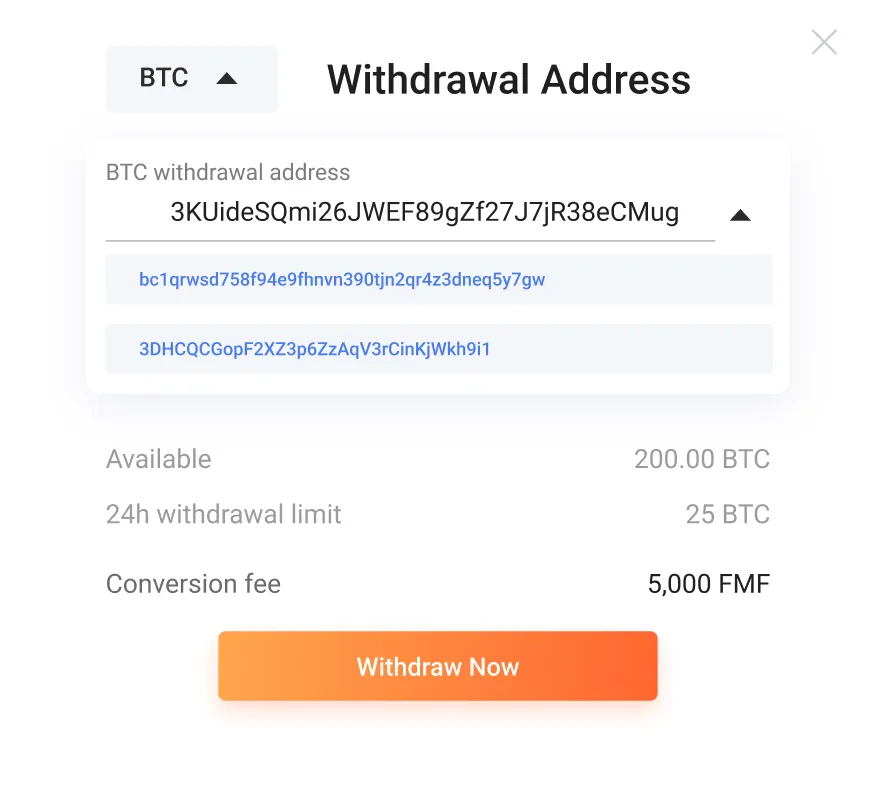
Redesigned
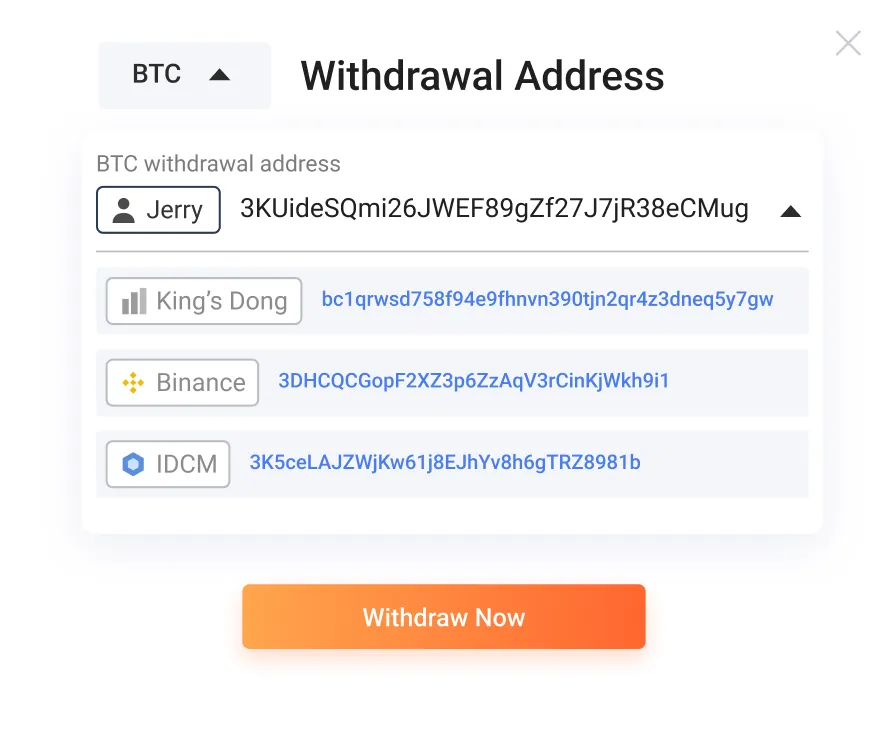
People use blockchain address to confirm the different account and it makes people feel they can control the system. However, it is information overloading if the product forces users to remember the whole address. And it’s inefficient as well. Therefore, to simplify the blockchain address is necessary.
3.Symbolization Reduces Information Overload
Original
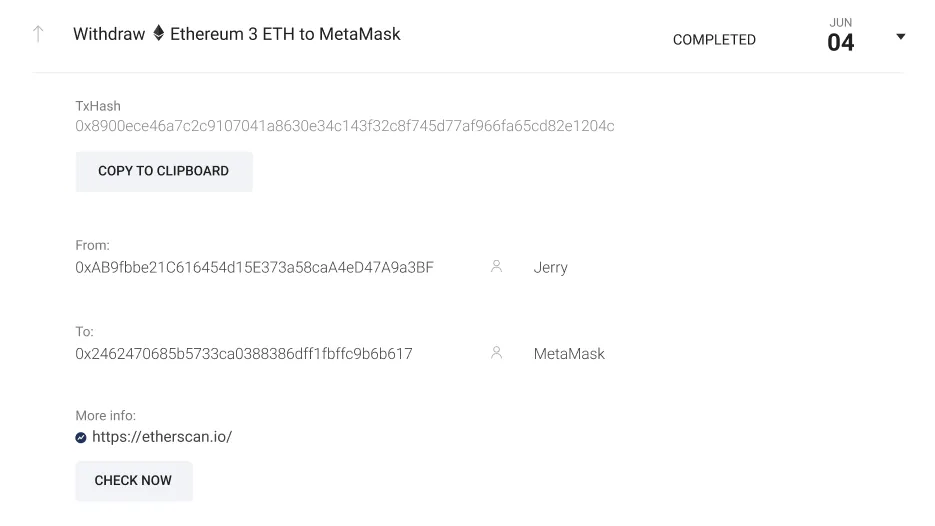
Redesigned
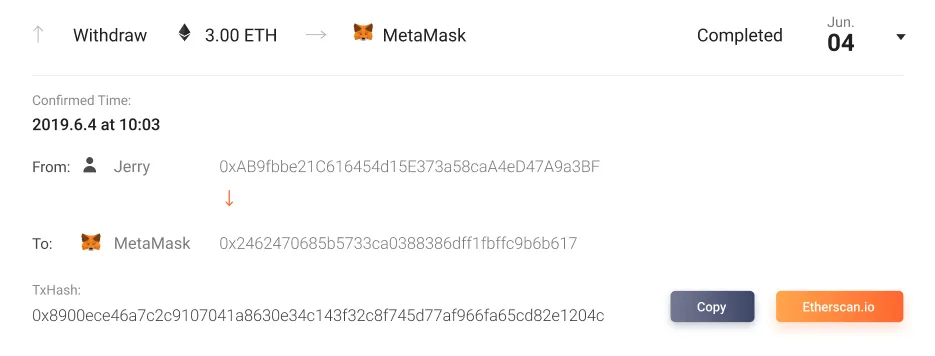
Blockchain is built on code, most of the information is redundant with a decision. The product should translate this information for reducing users’ burden of recognition.
Blockchain Products in the Future
Crypto management is all about trust, so every design has to be based on trust, transparency, and data disclosure. Blockchain application is still far from people’s experience, and a part of the behavior pattern is different from the reality. As a designer, that’s an opportunity to “define” instead of “follow” the previous design like other existing patterns.